
You flip the light switch, but nothing happens. Before assuming the switch is broken, there are several simple things you can check first.
A light switch not working can be caused by a burned-out bulb, a tripped circuit breaker, a GFCI outlet, a faulty light fixture, or a problem with the switch or wiring. Start with the easiest checks and stop if you notice anything unsafe.
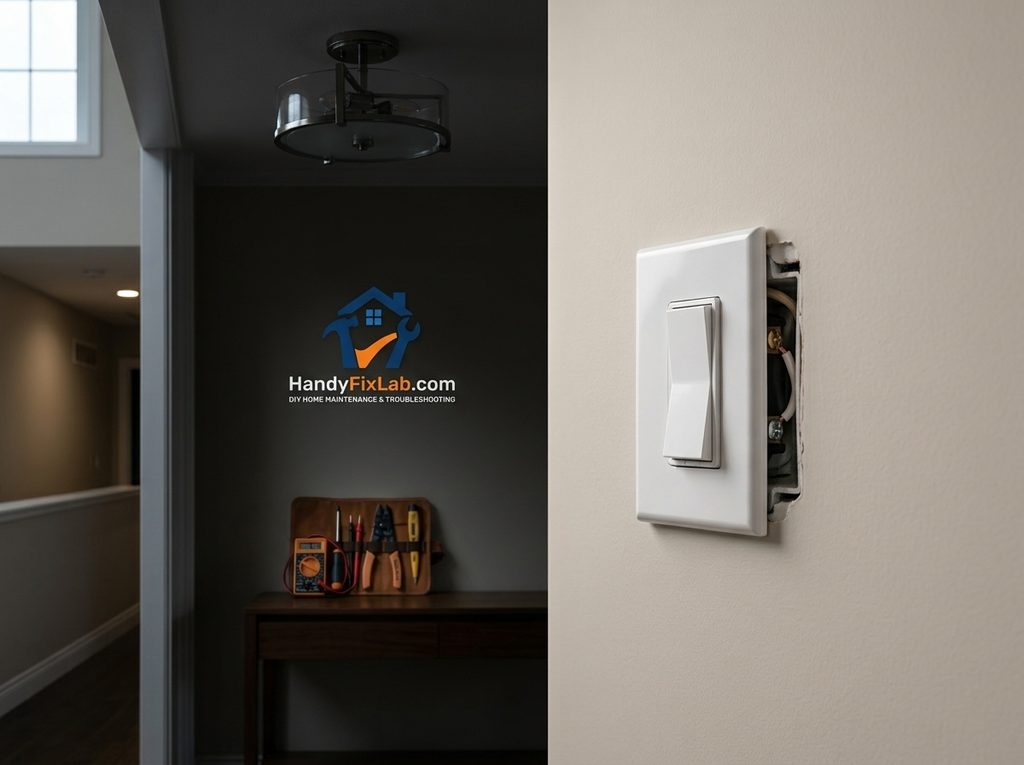
1. Check the Light Bulb
The bulb is the easiest thing to check, so start there.
Turn the switch off and, once the fixture is cool, replace the bulb with one you know is working. Make sure the replacement bulb has the correct type and rating for the fixture.
If the new bulb works, the switch was probably not the problem.
If the light still does not turn on, move to the next check.
2. Check the Circuit Breaker
A tripped circuit breaker can make a working light switch appear to be faulty.
Go to your electrical panel and look for a breaker that appears out of position or is sitting between ON and OFF. To reset a suspected breaker, move it fully to OFF and then back to ON.
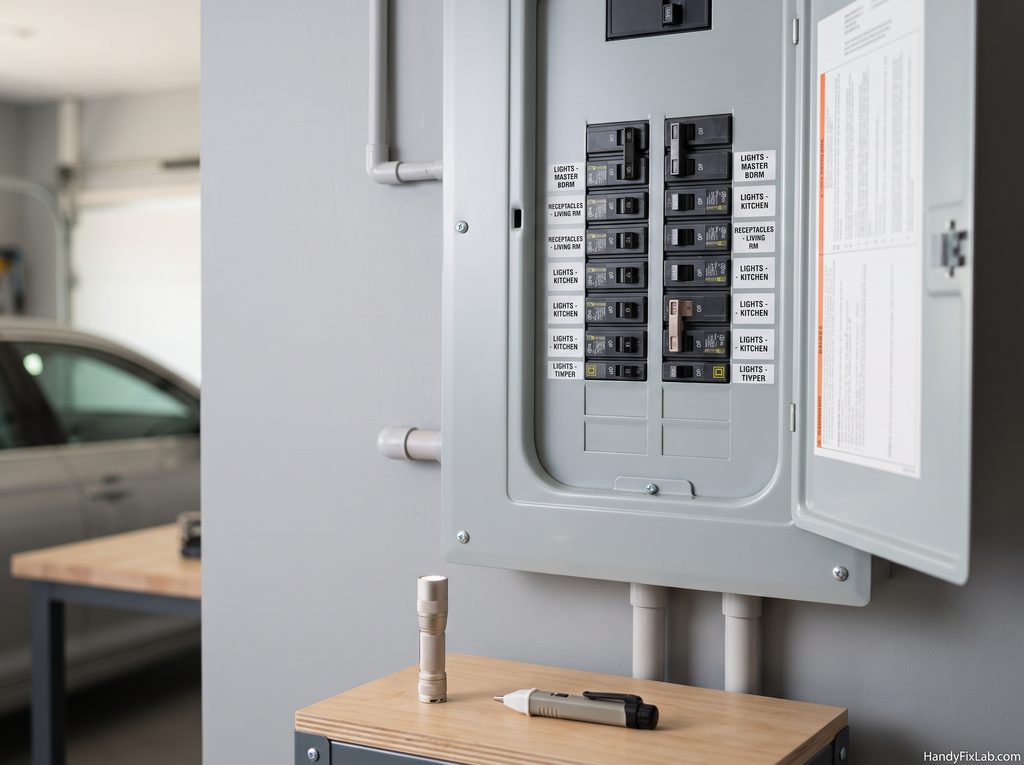
Do not repeatedly reset a breaker that trips again. A breaker that immediately trips can indicate an electrical fault that needs professional attention.
3. Check Nearby GFCI Outlets
A GFCI outlet can sometimes interrupt power to other devices farther along the circuit.
Check nearby bathrooms, kitchens, garages, utility areas, and outdoor outlets for a GFCI with a RESET button. If one has tripped, press RESET once and try the light switch again.
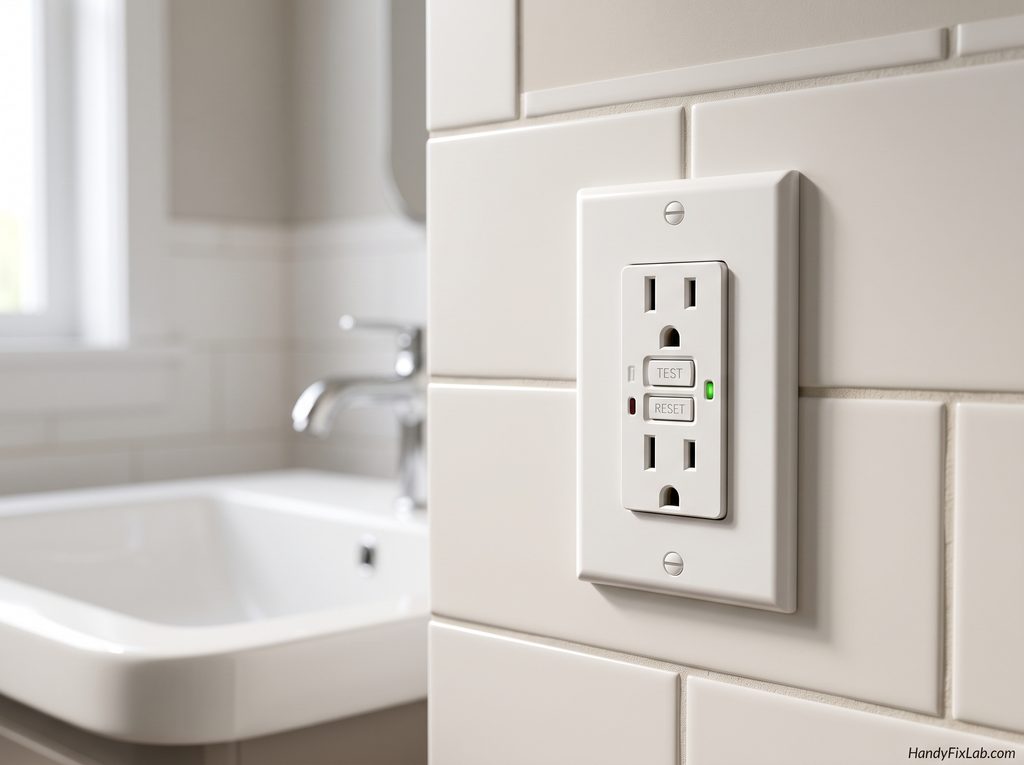
If the GFCI will not reset or trips again, stop troubleshooting and arrange for an electrician to investigate the problem.
4. Check Whether Other Lights or Outlets Work
Look around the same room and nearby areas.
If only one light is not working, the problem may be limited to the bulb, fixture, or switch.
If several lights or outlets have stopped working, the issue may be farther upstream in the electrical circuit. This makes the switch itself less likely to be the only problem.
This simple observation can help you explain the problem clearly to an electrician if professional service is needed.
5. Look for Signs of a Faulty Light Switch
A switch may be failing if it feels loose, does not click normally, works only sometimes, or has gradually become unreliable.
Pay attention to warning signs such as:
- Buzzing or crackling
- A warm or hot switch plate
- Discoloration or scorch marks
- A burning smell
- Flickering when the switch is operated
Do not continue using a switch that is hot, damaged, buzzing, or showing signs of burning. These symptoms can indicate an electrical connection or component problem and should be assessed by a qualified electrician.
6. Consider the Light Fixture
Sometimes the switch is working correctly and the light fixture is the real problem.
A fixture can fail because of an internal component, connection problem, socket issue, or other electrical fault. If changing the bulb and checking the breaker do not solve the problem, the fixture becomes another possibility.
Look for visible signs of damage around the fixture, but do not remove covers or expose electrical wiring unless you are properly qualified to do so.
7. Know When to Call an Electrician
Some light switch problems should not be treated as DIY repairs.
Contact a qualified electrician if:
- The switch is hot or smells burned.
- You see sparks, smoke, scorch marks, or damaged wiring.
- The switch buzzes or crackles.
- The circuit breaker keeps tripping.
- A GFCI repeatedly trips or will not reset.
- The switch or wiring needs to be opened or replaced and you are not confident doing electrical work safely.
Electrical troubleshooting can become dangerous once you move beyond simple checks. The safest approach is to stop when the cause is not obvious rather than guessing.
Electrical Safety
Never remove a light switch cover or touch electrical wiring while the circuit may be energized.
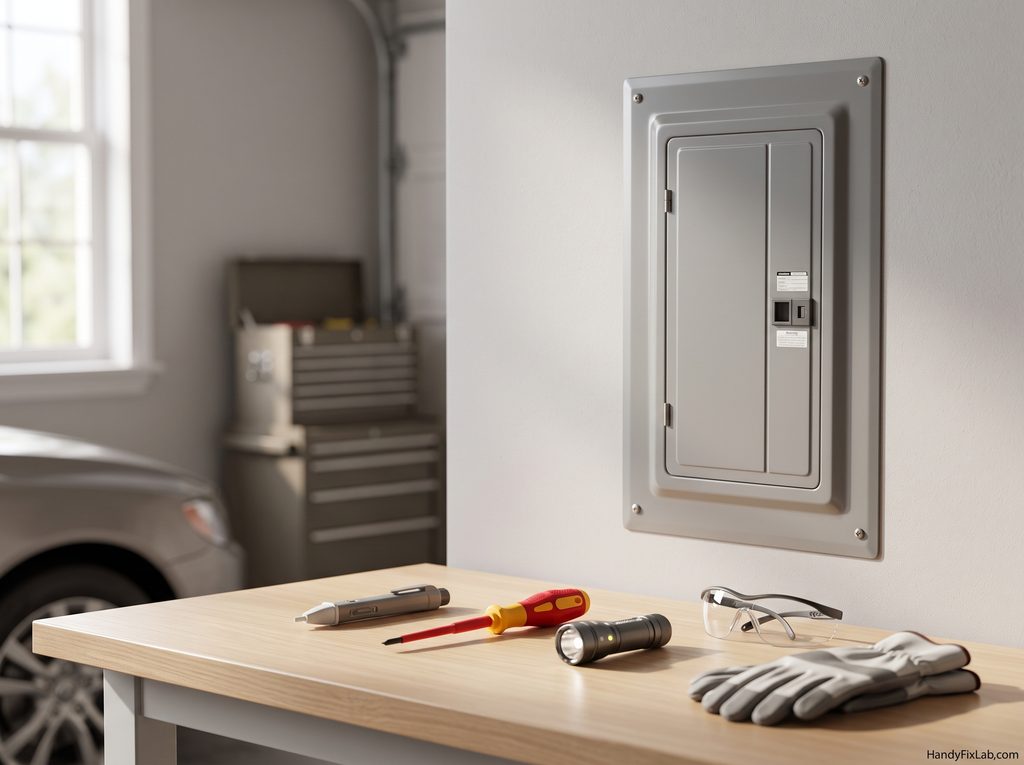
If electrical work requires accessing wiring, the power must be switched off at the appropriate breaker and the absence of voltage must be confirmed with a suitable tester. When you are unsure which circuit controls the switch, or you find wiring you cannot confidently identify, leave the work to a qualified electrician.
For additional electrical safety guidance, see the U.S. Consumer Product Safety Commission electrical safety information.
Frequently Asked Questions
Why is my light switch not working but the breaker is on?
If you have a light switch not working, start with the simplest possible causes before assuming the switch has failed.
The problem may be the bulb, fixture, GFCI protection, switch, or wiring. Start with the bulb and check nearby GFCI outlets before assuming the switch has failed.
Why does my light switch work sometimes?
Intermittent operation can indicate a worn switch or an electrical connection problem. If the switch feels loose, buzzes, becomes warm, or behaves unpredictably, stop using it and contact an electrician.
Should I replace a light switch myself?
Replacing a switch involves electrical wiring and can be hazardous. If you are not experienced with electrical work, or anything about the wiring is unclear, hiring a qualified electrician is the safer option.
Conclusion
When a light switch not working problem appears, start with the simplest possibilities: check the bulb, reset a tripped breaker once, look for a nearby tripped GFCI, and see whether other lights or outlets are also affected.
If you notice heat, burning, buzzing, sparks, damaged wiring, or repeated breaker trips, stop troubleshooting and get professional help. A careful approach can solve simple problems while helping you avoid unnecessary electrical risks.