
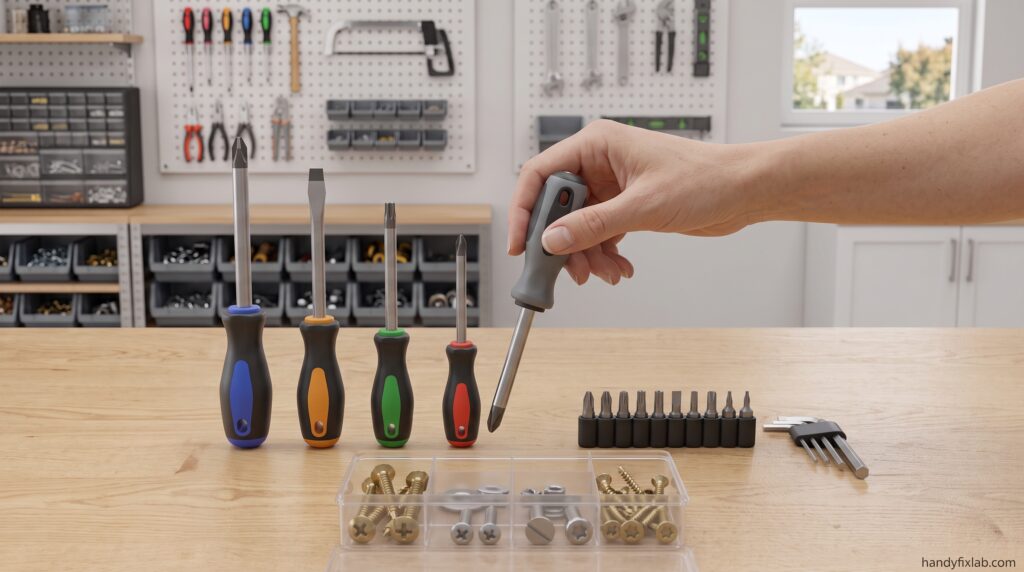
Choose the right screwdriver for your home repairs, and you can make simple jobs easier while reducing the risk of damaging the screw., repairing a door hinge, or assembling furniture, using the correct screwdriver makes the job simpler.
A screwdriver is one of the most useful tools you can keep around the house. The right tools can also make simple home repairs easier. See our guide to fixing a sticking door for a practical example. You may use one to tighten a loose cabinet handle, repair a door hinge, install a switch plate, or assemble furniture.
But having a screwdriver is not enough. Choosing the right screwdriver for the screw can make the job easier and help prevent damage to the screw head.
In this guide, you’ll learn how to identify common screwdriver types, choose the correct size, and avoid common mistakes during home repairs.
Why Choosing the Right Screwdriver Matters
Screwdrivers are designed to fit specific screw heads. If the tip is too small, too large, or the wrong shape, it may slip while you turn the screw.
This can damage the screw head and make it much harder to remove later. Using the correct screwdriver also gives you better control and reduces unnecessary wear on the tool.
Common Screwdriver Types
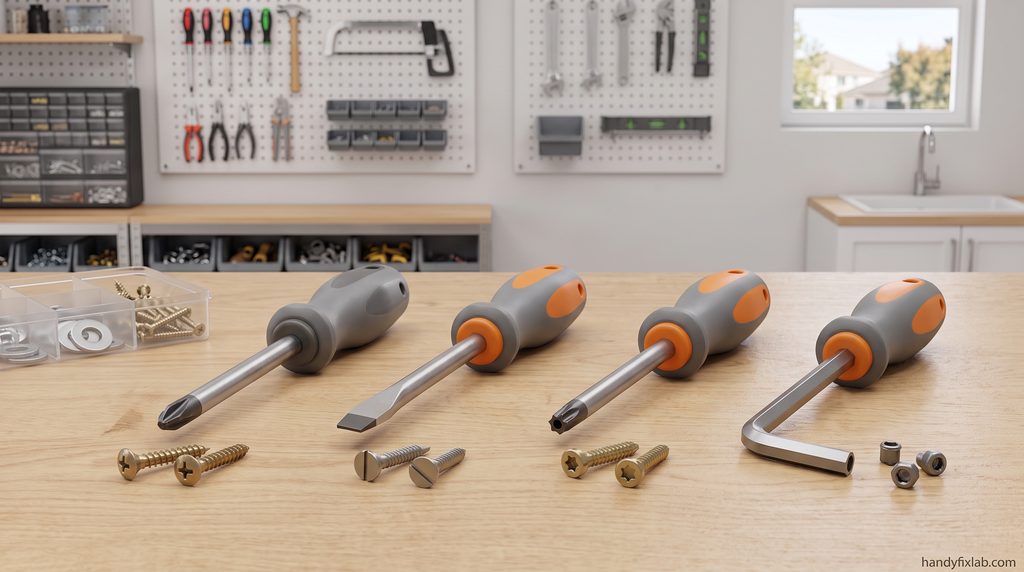
You do not need every screwdriver ever made for basic home repairs. A few common types will handle many everyday jobs.
Phillips Screwdriver
A Phillips screwdriver has a cross-shaped tip and is commonly found on household screws, hardware, appliances, and many DIY projects.
For a basic home toolbox, Phillips sizes such as PH1 and PH2 are useful starting points. The correct size should fit deeply and securely into the screw head.You may also use a Phillips screwdriver for simple electrical repairs, such as replacing a switch plate.
Flat-Head or Slotted Screwdriver
A flat-head screwdriver has a straight, flat blade that fits into a single slot.
It is still useful for older hardware, some furniture, and certain household fittings. The blade should fit the slot closely without being too narrow or too wide.
Torx Screwdriver
Torx screwdrivers have a six-point star-shaped tip. They are common in appliances, electronics, machinery, and some construction hardware.
Torx sizes vary, so check the screw before choosing the driver. Never force a Phillips screwdriver into a Torx screw.
Hex or Allen Key
Hex fasteners have a six-sided recess. They are common in furniture, bicycles, hardware, and some faucets.
You may see them as L-shaped Allen keys or screwdriver-style hex tools. The tool must match the size of the hex recess.
How to Choose the Right Screwdriver Size
Once you identify the screw type, choose the size carefully.
Choose the right screwdriver by checking that the tip fits securely into the screw head without wobbling.
To choose the right screwdriver, make sure the tip fits securely into the screw head before applying pressure.
Place the screwdriver tip into the screw head without turning it. A properly sized driver should sit firmly in the recess and fill the available space without wobbling.
For Phillips screws, try the closest size rather than forcing a driver that almost fits. If the tip feels loose or only engages the upper part of the screw, try another size.
A good rule is simple:
The screwdriver should fit the screw head snugly before you apply force.
Using an undersized driver is a common cause of stripped screw heads.
How to Match the Screwdriver to the Screw
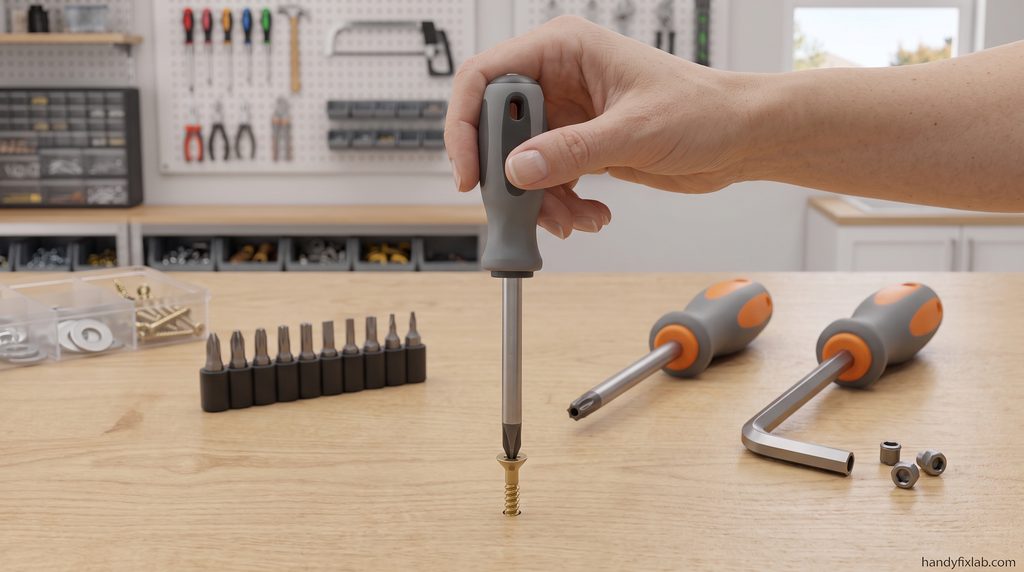
Before turning the screw, check three things:
- Shape: Is it Phillips, slotted, Torx, or hex?
- Size: Does the screwdriver fill the screw head properly?
- Condition: Is the screwdriver tip worn or damaged?
Insert the screwdriver straight into the screw and apply firm downward pressure while turning slowly.
If the screwdriver keeps slipping, stop and check the fit instead of pushing harder. A slipping tool can damage both the screw and the surrounding surface.
Common Screwdriver Mistakes to Avoid
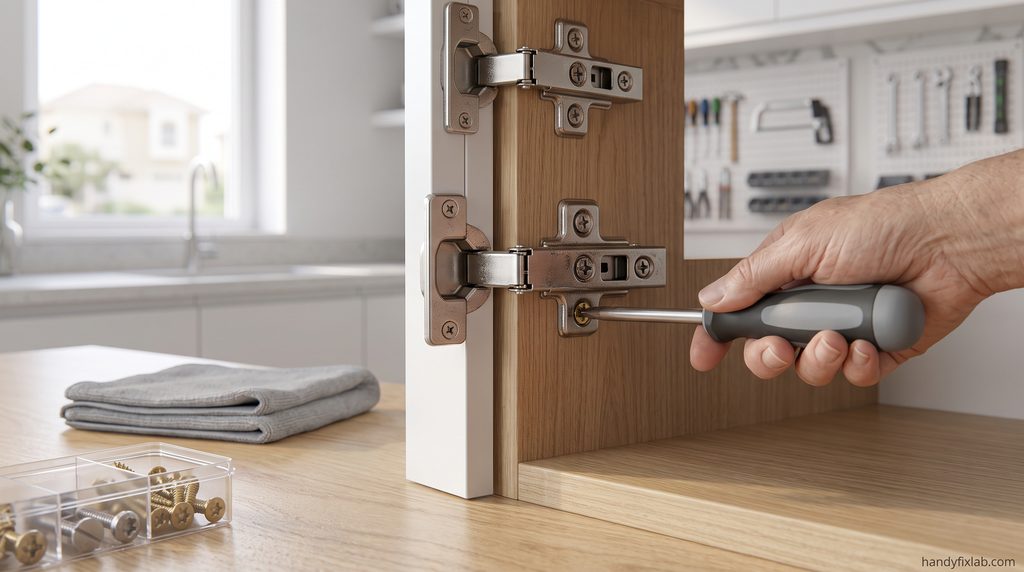
Using the Wrong Type
Do not use a flat-head screwdriver on a Phillips screw simply because it seems to fit. It may slip and damage the screw.
Using the Wrong Size
A screwdriver that is too small may move inside the screw recess and strip the edges. A screwdriver that is too large may not sit properly.
Turning at an Angle
Keep the screwdriver aligned with the screw. Turning at an angle makes slipping more likely.
Using a Damaged Tip
Check your screwdriver before starting. If the tip is badly worn, replace it or use another driver.
Using a Screwdriver as a Pry Tool
A standard screwdriver is designed to turn screws. Using it as a pry bar, chisel, or punch can damage the tool and create a safety hazard. General hand-tool safety guidance recommends using the correct tool for the job.
What Should Be in a Basic Home Screwdriver Set?
You do not need a huge collection to get started.
A practical beginner set can include:
- Phillips PH1
- Phillips PH2
- Small and medium slotted screwdrivers
- A small Torx set
- A basic set of hex keys
A screwdriver with interchangeable bits can also save space while giving you access to several common sizes.
If you are building your home toolbox from scratch, choosing a few versatile tools is often more useful than buying a large set filled with specialty sizes you rarely use.
For more practical tool tips, visit our Tools & Equipment section.
When a Screwdriver Isn’t Enough
Some screws may be rusted, damaged, or extremely tight. If the screwdriver keeps slipping despite using the correct type and size, stop before damaging the screw head.
You may need a different tool or a specialized screw-removal method.
For electrical work, use tools appropriate for the task and follow electrical safety procedures. Do not assume an ordinary screwdriver is safe for working on energized electrical equipment.
Final Thoughts
Choosing the right screwdriver starts with matching the tip to the screw head and selecting the correct size.
For most basic home repairs, a few Phillips, slotted, Torx, and hex tools will cover a wide range of jobs. Always make sure the screwdriver fits securely before applying pressure.
Using the right tool takes only a few seconds to check, but it can save you from a damaged screw and a much harder repair later.
Choosing the right screwdriver helps prevent stripped screws and makes everyday repairs easier.