
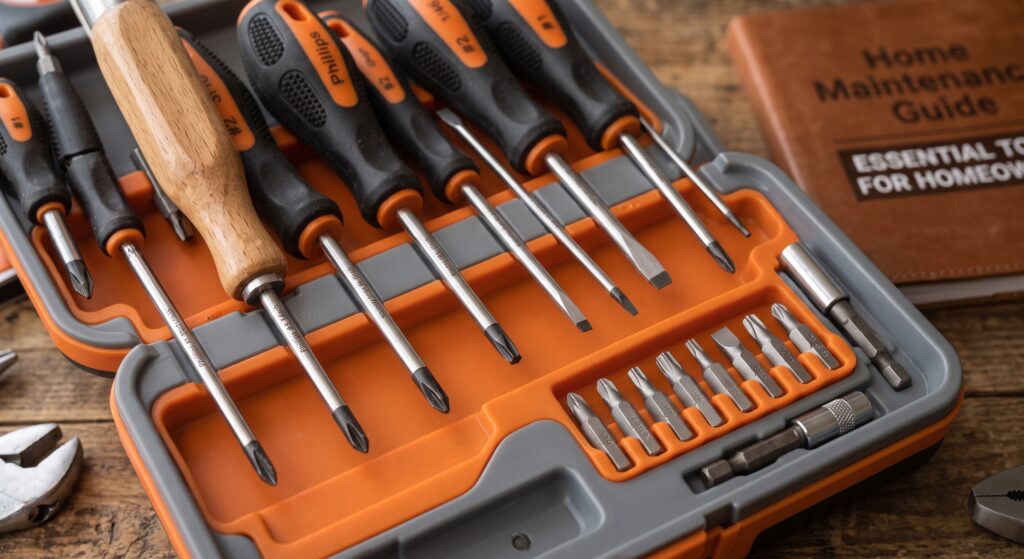
Learning how to choose the right screwdriver for home repairs can make a simple DIY job much easier.
Choosing the right screwdriver can make a simple home repair much easier. Using the wrong size or tip can damage the screw, make the job harder, or cause the screwdriver to slip.
You do not need a huge collection of screwdrivers for basic DIY work. Understanding a few common types and knowing how to match them to the screw is usually enough.
1. Identify the Screw Head
The first step to choosing the right screwdriver for home repairs is identifying the shape of the screw head.
The most common types found around the home include:
- Phillips: Has a cross-shaped tip and is common in furniture, appliances, and household fixtures.
- Slotted or flathead: Has a single straight slot and is still used in many older fixtures and hardware.
- Torx: Has a star-shaped pattern and is common in appliances, electronics, vehicles, and some modern hardware.
- Hex: Has a six-sided recess and is often found in furniture and certain mechanical hardware.
Match the screwdriver tip to the screw head before applying pressure.
2. Match the Screwdriver Size
The screwdriver tip should fit the screw head properly.
A Phillips screwdriver that is too small may slip out of the screw and damage the head. One that is too large may not seat correctly.
For a good fit, the tip should sit firmly in the screw without excessive movement.
If you find yourself pushing extremely hard to keep the screwdriver in place, stop and check whether you are using the correct size.
3. Choose the Right Tip for the Job
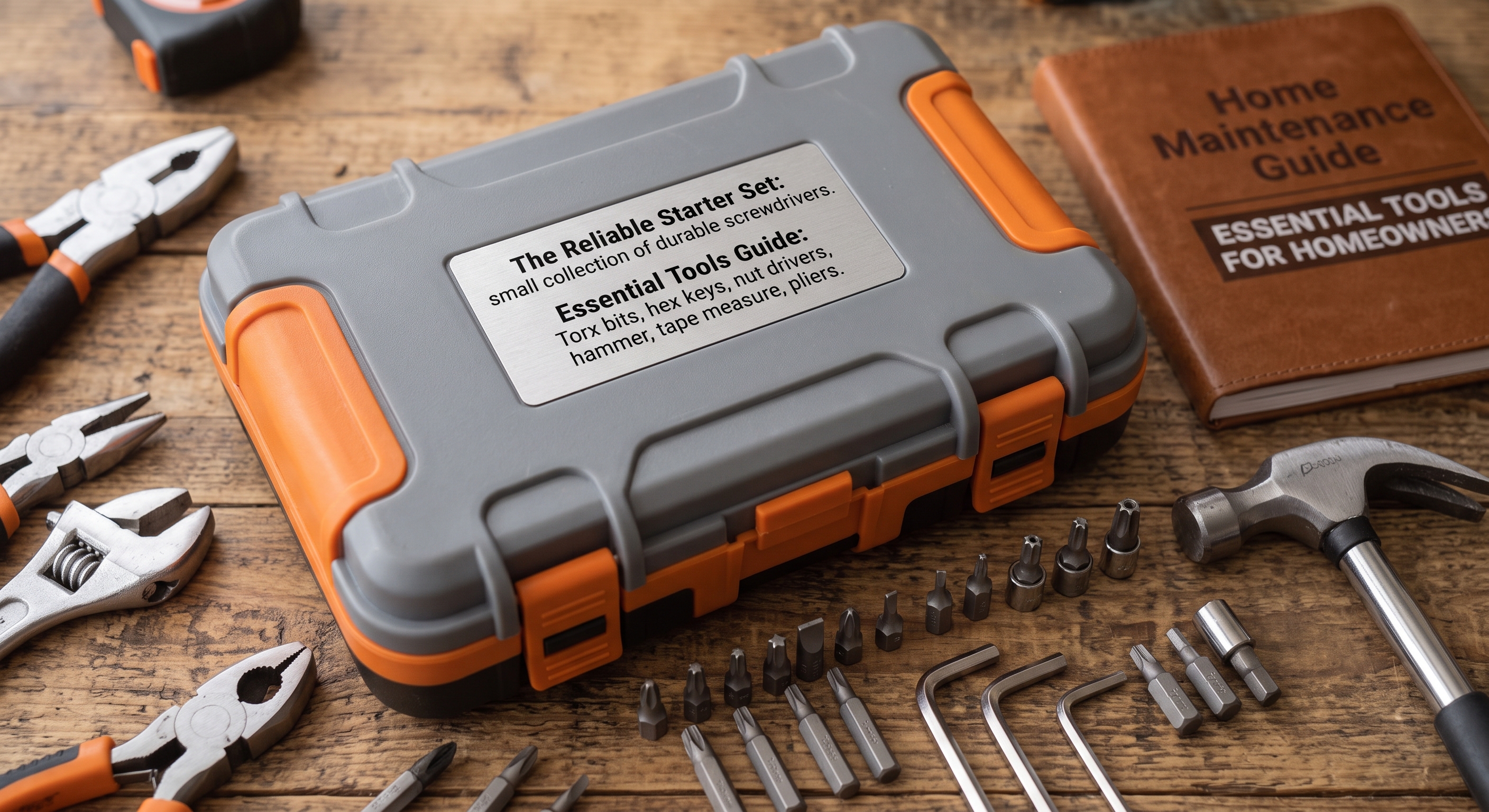
Choosing the right screwdriver for home repairs starts with matching the screwdriver tip to the screw head. Having several common types is more useful than buying many of the same kind.
For general home repairs, a small set containing Phillips and slotted screwdrivers in several sizes can handle many everyday jobs.
If you regularly work on appliances, furniture, or other equipment, you may also benefit from Torx and hex drivers.
Avoid using a screwdriver as a pry bar, chisel, or substitute for another tool. This can damage the tool and create a safety hazard.
4. Consider the Handle
The handle affects how comfortable and controlled the screwdriver feels.
For occasional home repairs, choose a handle that feels comfortable in your hand and provides a secure grip. OSHA also recommends using hand tools with appropriately sized and shaped handles for better grip and control. A larger handle can provide more turning force, while a smaller handle may be easier to control in tight spaces.
Some screwdrivers also have textured or non-slip handles, which can be useful when working for longer periods.
Comfort matters because a secure grip helps you apply steady pressure without the tool slipping.
5. Choose the Right Length
Screwdriver length is another important consideration.
A longer screwdriver can provide better reach when the screw is recessed or difficult to access. A shorter screwdriver can be much easier to use in tight spaces, such as inside cabinets or around appliances.
If you do many different types of repairs, having both standard and short screwdrivers gives you more flexibility.
6. Look for Quality and Durability
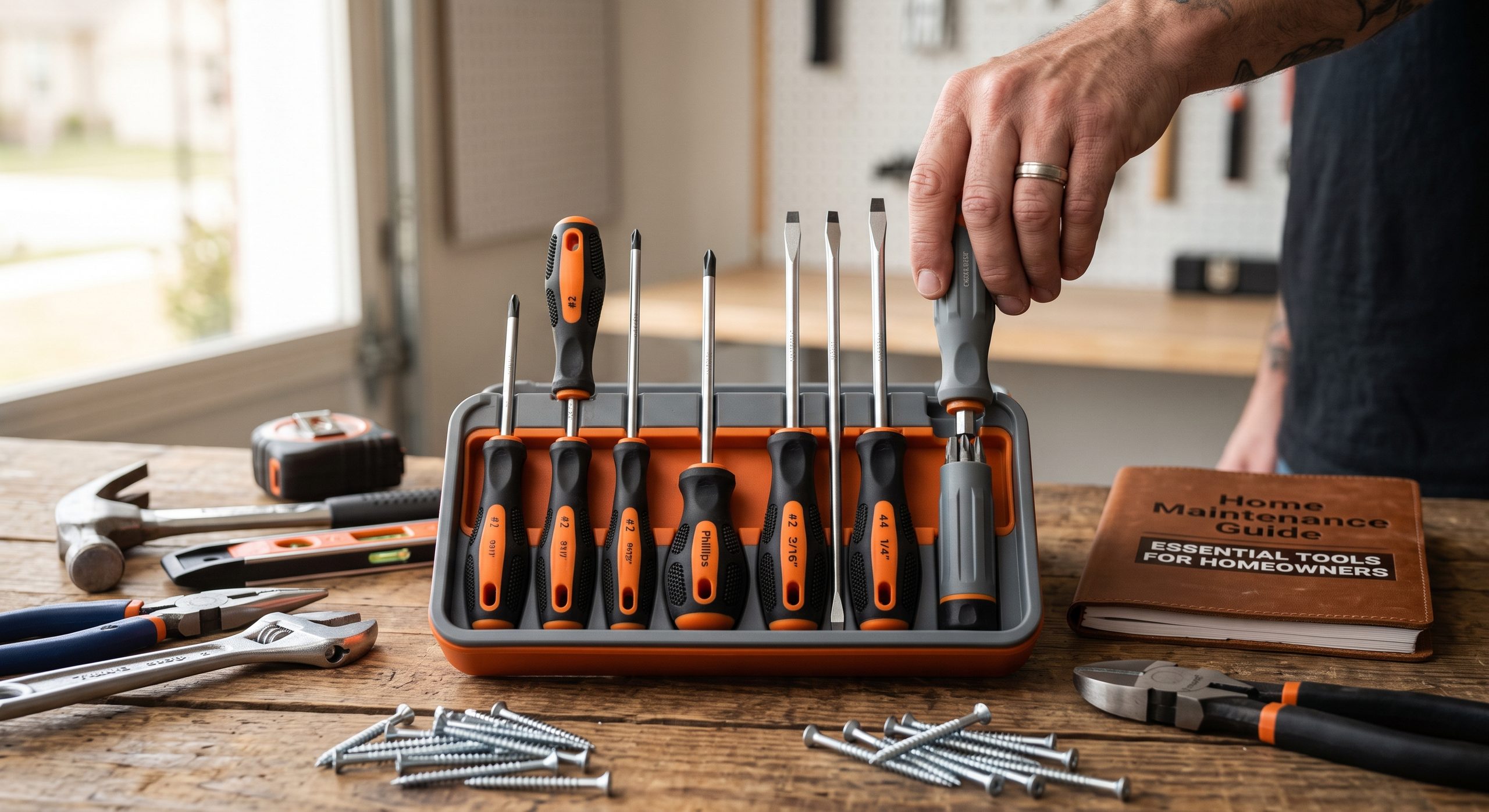
A good screwdriver does not need to be expensive, but it should be made from durable materials and have a tip that holds its shape.
Cheap or poorly made tips can wear quickly and make it difficult to remove or tighten screws properly.
For a basic home toolkit, it is usually better to have a small set of reliable screwdrivers than a large collection of low-quality tools. For more ideas on what to keep at home, see our guide to essential tools for homeowners.
Keep the tips clean and avoid using them on screws they were not designed for.
7. Know When You Need a Specialized Screwdriver
Some repairs require a screwdriver designed for a specific type of screw.
For example, Torx screws, precision screws, and certain security screws may require specialized drivers.
Before starting a repair, inspect the screw carefully and choose a tool that matches its head and size. If you are unsure, check the manufacturer’s instructions for the equipment or fixture you are working on.
Final Tips
Learning how to choose the right screwdriver comes down to a few simple things: identify the screw head, select the correct size, and choose a comfortable tool that suits the space you are working in.
For most basic home repairs, a small set of quality Phillips and slotted screwdrivers is a good starting point. As you take on more projects, you can add Torx, hex, precision, or other specialized drivers when you actually need them.
Using the right screwdriver for home repairs protects both the tool and the screw—and makes DIY repairs much easier.